

Showing posts with label GCSE. Show all posts
Showing posts with label GCSE. Show all posts
Guardian Newspaper's Best (or Worst) Music Video Cliches
http://www.guardian.co.uk/tv-and-radio/2011/sep/28/tv-music-top-10-cliches
On the Guardian's very own media Blog, they have listed their top ten music video cliches. Analysing conventions used in music videos is a key element for both GCSE and A Level studies, and understanding how ubiquitous, or common, these elements have become is fascinating. The Guardian Blog also includes several embedded videos (so you can see the cliches in action) and a host of readers' comments at the bottom with their own favourite cliches.
On the Guardian's very own media Blog, they have listed their top ten music video cliches. Analysing conventions used in music videos is a key element for both GCSE and A Level studies, and understanding how ubiquitous, or common, these elements have become is fascinating. The Guardian Blog also includes several embedded videos (so you can see the cliches in action) and a host of readers' comments at the bottom with their own favourite cliches.

Arcade Fire 'The Suburbs' Music Video, directed by Spike Jonze
Above is the music video we analaysed in class by Arcade Fire. Remember the key questions we focused on; how does Spike Jonze keep some of the narrative elements ambiguous and how does this particular text attract the band's main target audience?
Year 10 Assessment 1 Winners
Well done to all Year 10 media students who have just completed their first official assessment. Whilst the vast majority of students performed well there were a few outstanding results, so congratulations to...
Angel Griffiths, Jake Wanklyn, Hannah Marshall, Craig Lawrence, Owen Painter, Ben Drew, Jenny Roberts, William Francis, Kieran Gibbons, Connor Davies and Emily Kerr.
And a special congratulations to Abigail Rudkin who scored a perfect 30 out of 30!
Well done everyone, and good luck to those who didn't quite make the list this time round!
Angel Griffiths, Jake Wanklyn, Hannah Marshall, Craig Lawrence, Owen Painter, Ben Drew, Jenny Roberts, William Francis, Kieran Gibbons, Connor Davies and Emily Kerr.
And a special congratulations to Abigail Rudkin who scored a perfect 30 out of 30!
Well done everyone, and good luck to those who didn't quite make the list this time round!
Key Media Words/Terminology
http://mediaknowall.com/gcse/keyconceptsgcse/keycon.php?pageID=keyterms
A very useful website that contains definitions of many key terms we use in Media Studies.
A very useful website that contains definitions of many key terms we use in Media Studies.
Gavin and Stacey Episodes on BBC iPlayer
http://www.bbc.co.uk/iplayer/episode/b009kcrb/Gavin_and_Stacey_Series_2_Episode_1/
Follow the above link to watch full episodes of Gavin and Stacey from the BBC iPlayer.
Follow the above link to watch full episodes of Gavin and Stacey from the BBC iPlayer.
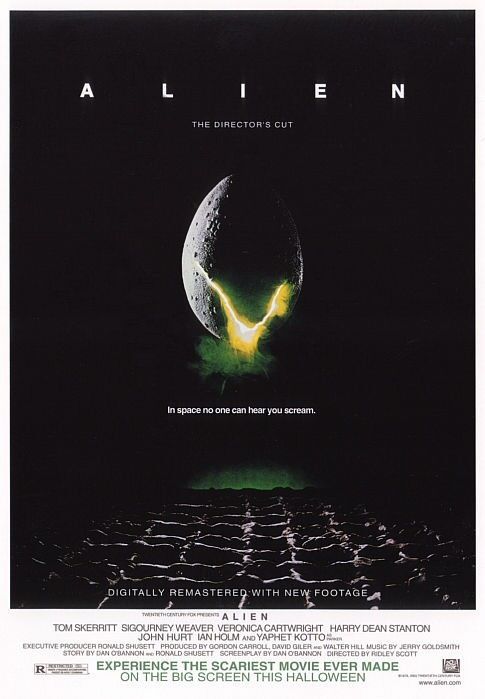


Film Poster Website
http://www.impawards.com/
Above is a link to the 'Impawards' website, where you'll find hundreds of film poster examples. Below are some of the posters you may use in the Genre essay on Science Fiction Posters.
Above is a link to the 'Impawards' website, where you'll find hundreds of film poster examples. Below are some of the posters you may use in the Genre essay on Science Fiction Posters.
Subscribe to:
Posts (Atom)